
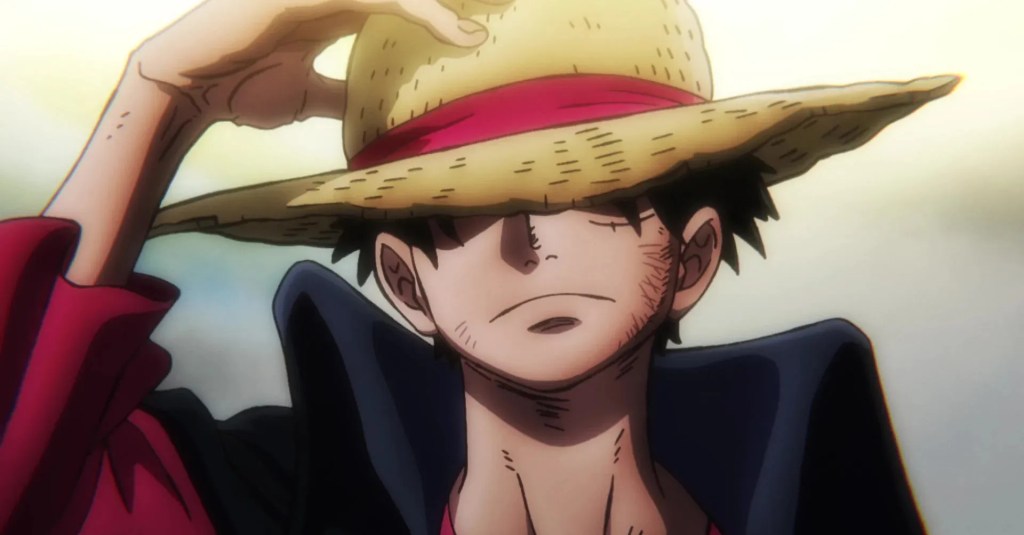
I’ve finally made it to Wano in “One Piece.”
In 2022, I started watching the show. I also made TikToks documenting my journey.
I wasn’t sure if I was going to get through a show with over 1,000 episodes. At the time, I had watched a flurry of one- or two-season shows that left me wanting more, and I also craved a show that would hold me over for a while.
The “One Piece” TiKTok community is a big reason why I’ve stuck with the show for so long. Whereas other fandoms I’ve found to be incredibly divisive (“Star Wars” is a prime offender), this one has been encouraging, engaging, forgiving and above all else, passionate.
I think a lot of this derives front he quality of the tale Eiichiro Oda has crafted. “One Piece” has a vast world with fully developed kingdoms whose fictional woes aren’t far from our own. While the series is known for ridiculous powers and character designs, Oda has an ironclad understanding of character development and why readers resonate with stories on an emotional level.
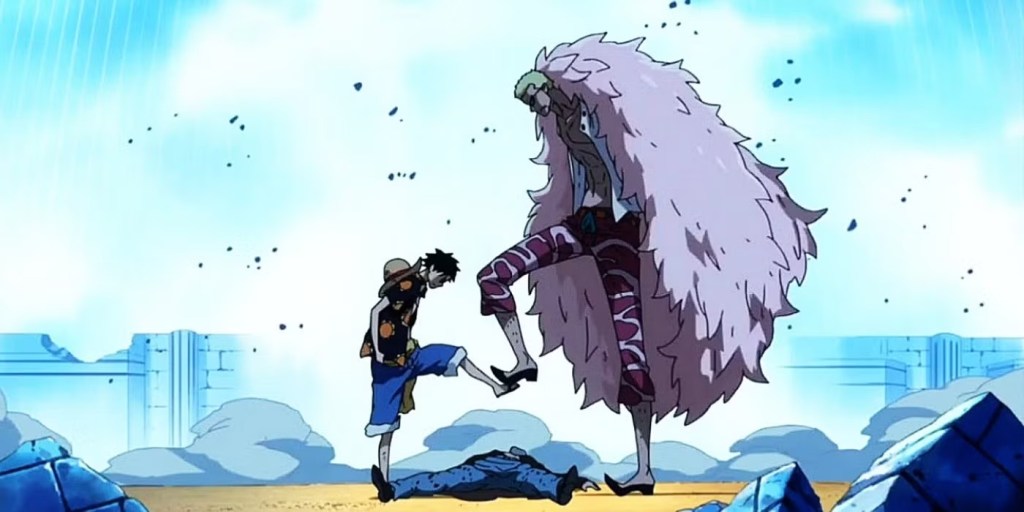


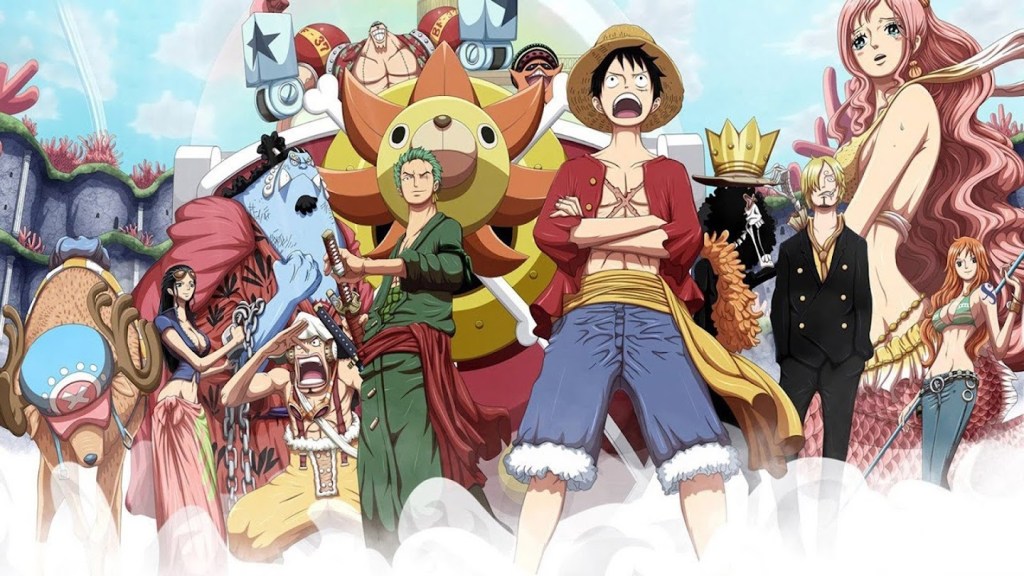

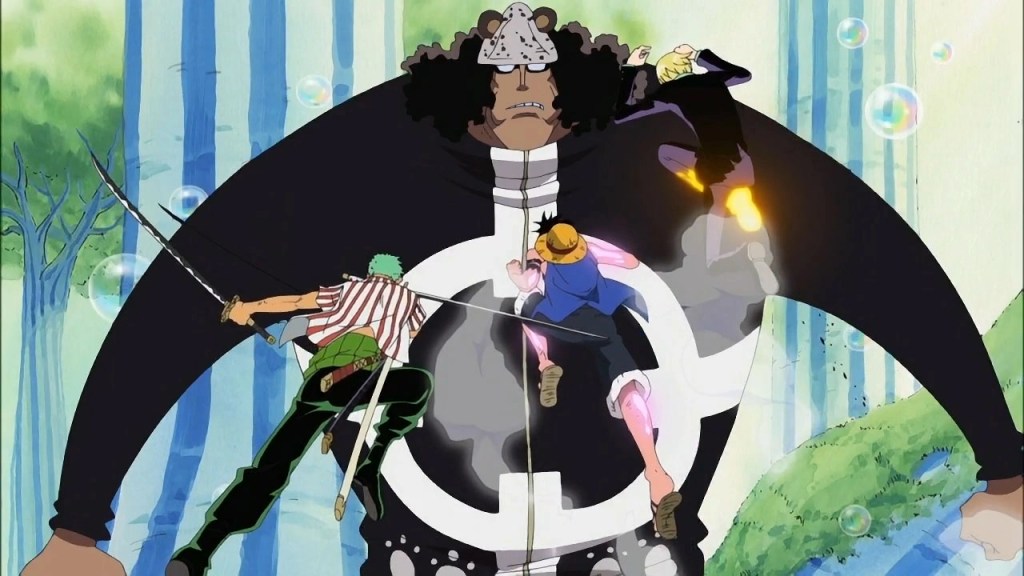


Monkey D. Luffy, the series’ protagonist, serves as a great example of this. While he’s not necessarily clever or cunning — he often barrels into sensitive situations, which creates unnecessary trouble for himself — he’s a genuinely good person who can’t stand to see the suffering of other people. He doesn’t care about this world’s social or power structures — something as small as seeing a little girl go hungry is enough to motivate him to tear down a centuries-long oppressive regime, brick by brick.
While “One Piece” is a battle anime and most of its issues can be solved by, as Luffy says it, kicking somebody’s a**, it has deep commentary on the nature of power and trauma, and how some wield their influence to oppress others, while a select few use it to nurture their communities.
One of the many beautiful things about “One Piece” is how little flat characters it actually has. Almost every major villain has a tragic backstory, and many have redemption arcs. Oda famously does not like to kill off his characters, and this allows him unique opportunities to have long-forgotten enemies grow in unexpected ways that can have relevance to the story later on.
In fact, one of the most remarkable things about the show is when foes from seasons ago reappear reformed as allies. Hachi — a fishman who was originally a villain in the show’s Arlong Park arc — is one such case. He was always a misguided character, tricked by a friend who used him for ill intentions, but he gets fully fleshed out in the show’s Sabaody arc, in which we meet him at his home, where is he oppressed by the world nobles, the Celestial Dragons.
This adds an extra dimension to the conflict in Arlong Park — he’s a victim of a racist system where humans are encouraged to capture fishman and sell them to the Dragons as slaves. So it makes sense that he doesn’t necessarily understand that there is also a large group of humans (like Luffy) who actually see fishmen as equals.
Speaking of power structures, the Celestial Dragons (untouchable world nobles) system is the most notable one Luffy ignores. Harming any of them can result in an army being summoned on their behalf, leading the Dragons to do whatever they want.
For Luffy, who wishes to be king of the pirates and does not respect the navy — which serves the Celestial Dragons — fear of retaliation never occurs to him. If someone hurts a friend, he’ll strike back no matter what.
That, at its core, captures what’s so powerful about “One Piece.” When Luffy triumphs, he doesn’t just defeat a villain — he often dismantles a generational system of oppression, becoming the most important person in that island’s history. He’s a pirate, but he rarely needs to plunder or steal — he liberates people, and they give him everything he wants (usually food) willingly.
At one point, an entire fleet of other pirates pleads their loyalty to him, which he rejects. But they follow him anyways, because he earned their loyalty by saving them from a fate worse than death.
Luffy does solve many of his problems through violence. But he rage is fueled by kindness and compassion for the people his respective antagonists have hurt.
It’s hard not to root for him, or to fall in love with this show.
As I’ve started watching past Episode 900, I don’t want this journey to end. I want more episodes and tales with these wonderful characters.
Suddenly, an over 1,000 episode show isn’t long enough.



 InReview
Leave a comment