
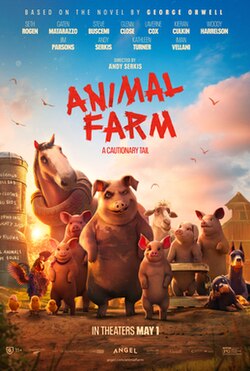
To preface today’s review, George Orwell’s Animal Farm is one of my personal favorite books. The book offers power, important symbolism and harbors a timeless moral in a unique setting. It is, in my opinion, one of the greatest pieces of literature in human history.
This is precisely why I was quite excited to hear that, here in 2026, Animal Farm was getting a movie based around it! In the modern era, imagining an Animal Farm that can relate to the populace is intriguing. While there are no Soviets or Bolsheviks populating the planet in 2026, it is very possible to make a powerful, meaningful Animal Farm that can relate to our modern political climate.
Did Andy Serkis’ Animal Farm accomplish this? Well…. Let’s unpack this movie, starting with what it did well.
A randomly legendary voice acting cast
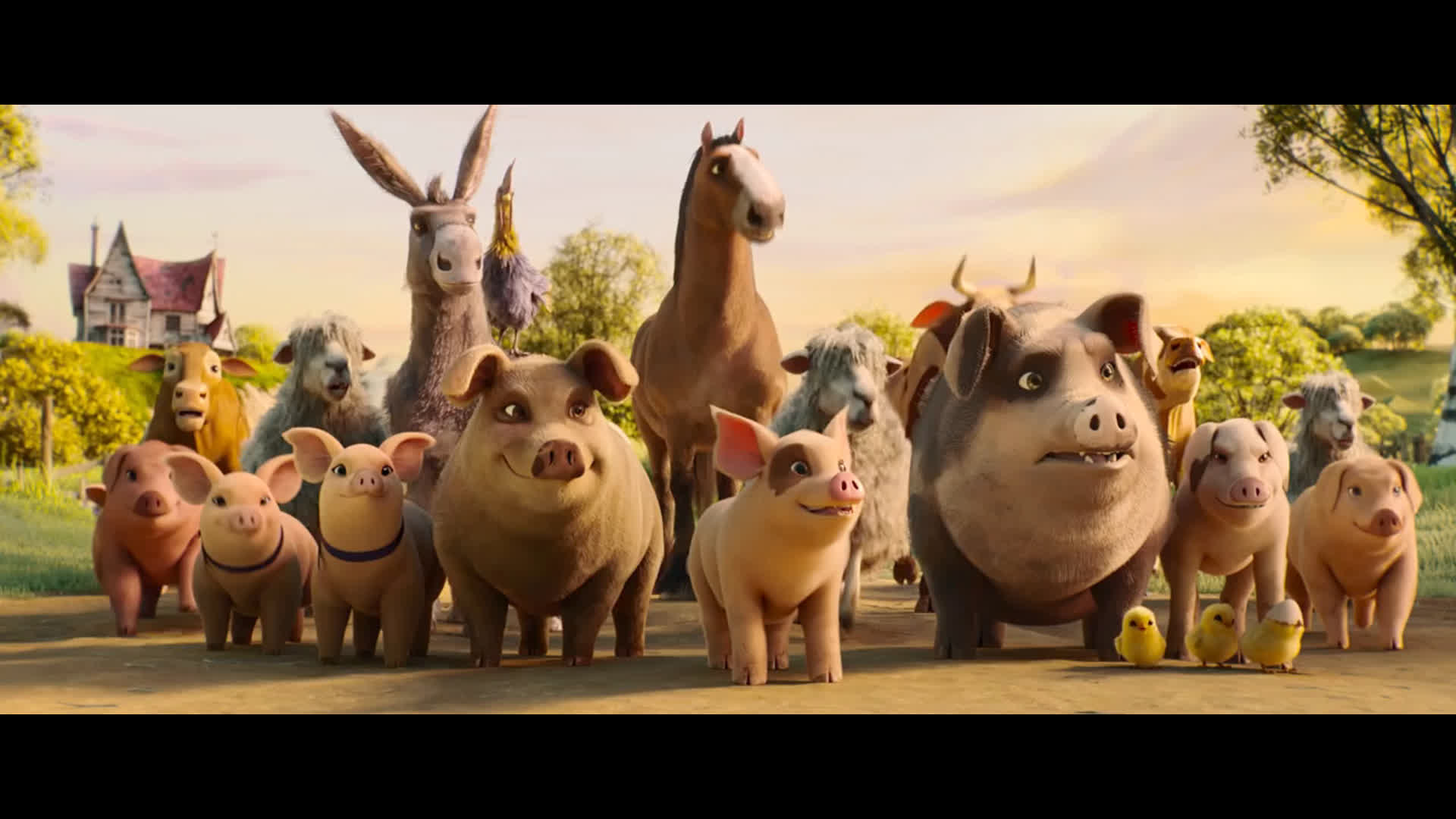
Some of the names tied to Serkis’ Animal Farm are truly captivating, and they fit this movie incredibly well. They really got Seth Rogan of all people to voice Napoleon, Gaten Mazzaro as the new, original character Lucky, Steve Buscemi as the banker Mr Whymper and they even got Woody Harrelson to voice Boxer the workhorse! Sadly, this was probably not one of Harrelson’s better performances, but still- this movie has a randomly loaded voice acting cast one might expect in some Marvel movie of some kind. That was definitely the highlight.
It at least got the idea mostly right
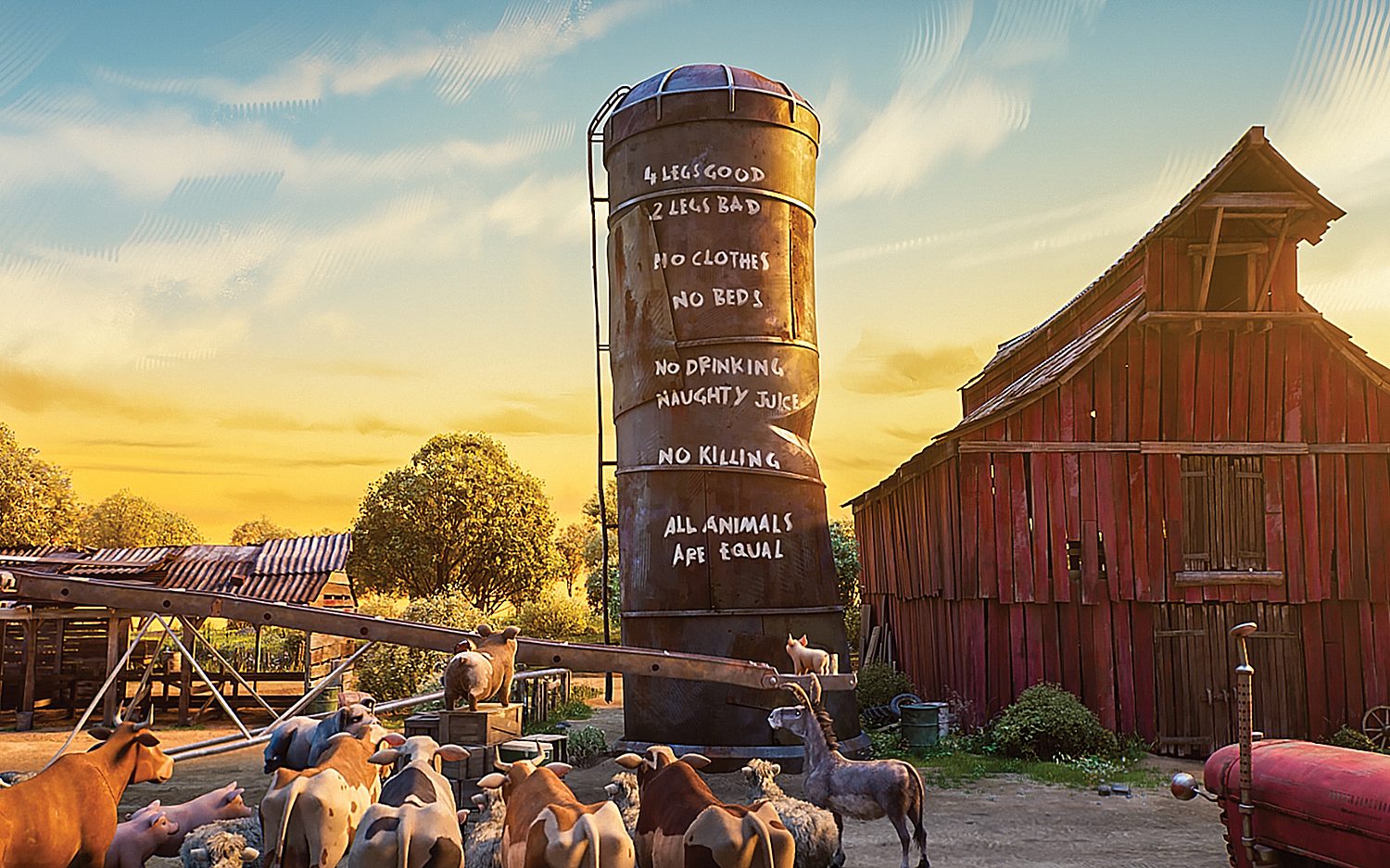
At a surface level, this movie emulates the core concept that the book itself was going for. The book was a depiction of the Russian Revolution, as well as the Stalinist aftermath when the revolution was successful. The basic happenings which connect the two involve the animals overthrowing Mr Jones, the original operator of the farm who inherits a Tsar Nicholas II role. Jones is incompetent and is on the verge of outright losing the farm before the rebellion. After the rebellion, Napoleon, who inherits the mantle of Joseph Stalin, assumes a de-facto leader role and proves to make things far, far worse for the animals than Mr Jones ever did, just like his inspiration in the real world. So at the most basic level, the movie was able to properly emulate its literary inspiration.
Unfortunately, I have to declare that this movie was somewhat of a mess. Let’s go over why.
Beyond the surface level, it doesn’t try to actually be Animal Farm
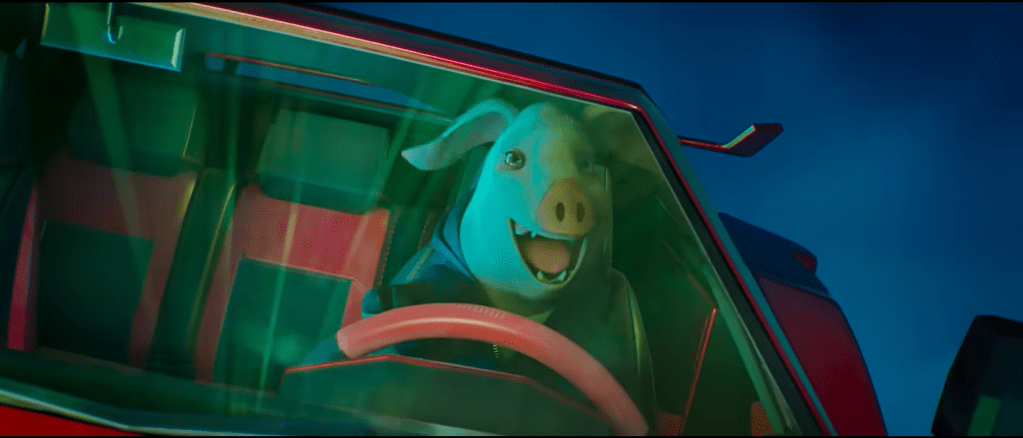
Okay yes, movie adaptations of a book are scarcely ever truly 1:1s. Especially for a movie based on such an old book, it made sense for the eccentric Andy Serkis to want to take some creative liberties. However, it was just too much in this one. In no particular order, there are attack drones, sports cars, the pigs order products off of an Amazon knock-off, and there are synthetic sound splicing machines in this Animal Farm story. There were also some unnecessary alterations done to the cast. Old Major straight up does not exist in this film, Moses the raven ends up being some weird AI robot instead of an actual animal, Sugar Candy Mountain simply doesn’t exist, and Lucky the pig is a character in the movie that doesn’t exist in the book. Again, it would have probably been folly to anticipate a perfect 1:1, but it’s obvious that no expense was spared to even try to remain faithful to the original product.
Why Animal Farm?
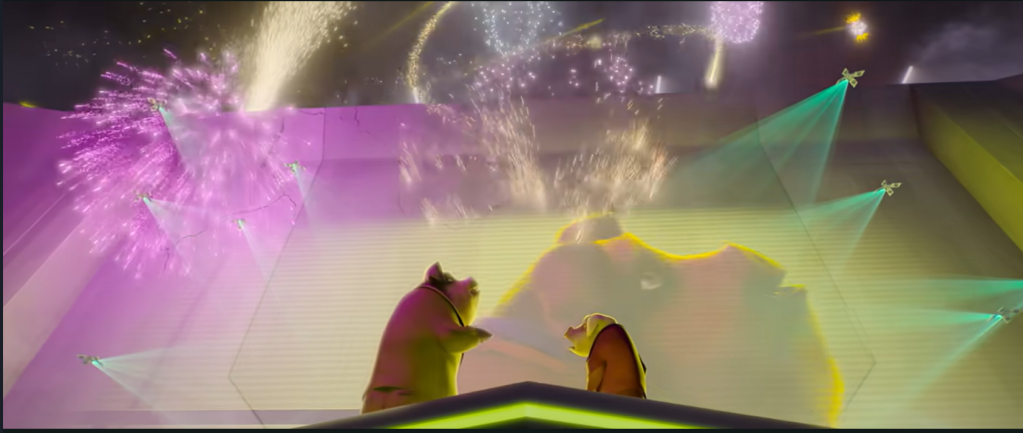
Going in, my somewhat outlandish guess was that this film would possibly tie itself to modern politics, and perhaps try to draw some similarities between the Russian Revolution and 21st century political landscapes. What this ended up being was some kind of a psuedo-Disney story, with very light elements of brain rot, that ultimately obscured the moral that its source material was going for. There were several moments where I thought to myself “wtf am I even watching? This is simply not Animal Farm.”
Why Animal Farm? What was the point of choosing this exact medium for the movie that was portrayed? There are heaps and piles, countless different sources which could have been drawn from, if the goal was to make a meme-y, funny, goofy, brightly colored animated kid’s story. If anything, what was produced is disrespectful wholly. Not just to the source material, but to the conflict the source material was attempting to cast a light on. The Russian Revolution was a violent, dark part of human history with incredibly powerful aftermath that shapes human physiology today. It is unlikely anybody had a goofy, stupid nickname for Joseph Stalin akin to “Na Po-po” for Napoleon the pig. Plus, the way Boxer’s death scene is handled in the movie compared to the book felt less like an “overworked laborer literally works himself to death” scene and more like an “eh, we need Boxer to die just to pretend we care about the source material, we’ll budget in 15 seconds to do it and then just move on entirely”. It was disgraceful if you care anything at all for the source material in any significant way.
In the end, ultimately, Animal Farm gets a C-, which is being more than charitable. At the extremely basic surface level, this is Animal Farm. It is Animal Farm in the sense that there are animals, most of them have the same names as those from the book. But this is not Animal Farm in how much it misses the mark tonally. If you wanted anything even remotely enriching from this movie, don’t do it. Hopefully someone else can do something a lot more graceful with this concept years down the road.


 InReview
Leave a comment