

On Sunday, March 1st, Playstige Interactive Games head developer Baris Tarimcioglu was graceful enough to spend time talking to me about his background and history developing games. For those unaware, Baris has developed some games which have been mentioned here on InReview. His career has been long and deep, and InReview will be looking at much, much more of it in due time. For now, reviews on Tarimcioglu’s Fluxteria and a trifecta of shorter games are available now.
For his part, Baris (pronounced: Bah-ri-sh) Tarimcioglu has been involved with game development since 1999. At 54 years young, Tarimcioglu has produced games for a litany of different platforms, with his work appearing on PlayStation, XBox, Steam and even Nintendo platforms. Baris believes there is a strong chance he is the only game developer in Turkey to produce games for all three major consoles, between PS, Xbox and Nintendo.
I was able to thoroughly pick Baris Tarimcioglu’s brain, and he had a lot of really interesting, even captivating things to say. As Baris would so endearingly phrase it, we’re going to “get inside the kitchen” of how he has handled his games over the years-
Andrew Baillargeon: What inspired you to get into game development? What drives you to continue?
Baris Tarimcioglu: “I started film making in English in New York in 1996. I was fascinated by making US film scenes in New York. As I worked in motion editing, I realized it was difficult to edit. I had a strong urge to do film making, but my opportunities were limited in the US . I had an interest to design cinematics. I was interested in toying with Unreal Engine. I remember joking with a friend about how difficult it was to put up sets (before UE). Nobody had fancy digital cameras back then.
Unreal Engine made it possible to set light and textures instantly. Unreal Engine gave creative control to non-tech guys like me. Using Unreal Engine is more fun than actually playing the game. It lets you change the behavior of a monster you’re designing instantly. Back then, I wasn’t thinking about making and selling games. I wasn’t making games on Steam or for any kind of gamer. To be honest, I still don’t know what gamers want now.”
AB: The world of today has pushed generative artificial intelligence into media more by the day. What are your thoughts on the impact of GenAI and how does it effect you as a small game developer?
BT: “AI makes it a very crowded space. It is a bit of a ‘grey area’. On one side, if you have a little coding background, computing, or you have a little ‘geek’ in you, you’ll be amazed by the speed and power of the latest version of Cloudy AI. For simple coding tasks, it is amazing, unbelievably useful if you use it properly. On the other side, it is bad if you use AI to write or design and you piss off writers and artists in the industry. I can use AI, but I don’t use it for any writing tasks.
AI is difficult for investors, and using it badly can create a bad effect for everyone – the talent, the writers, the artists and even the gamers. It will change how we design games. The latest version of CloudyAI came out 1-2 months ago. Now, it makes a lot more sense than it used to. It can give robotic Wikipedia-like answers and give you an unbelievable analysis of mistakes in your game design. It didn’t used to make sense before and now it does, which can be scary!
I don’t think the problem with AI is in ‘replacing the artist.’ Industrial things happen all the time. Social things happen. Everyone can eventually be jobless. We will become more dependent on AI inevitably. We will share our work with it, and it will learn from us. It is not replacing (creative) work. I won’t have to do coding ( as much as he has been to this point), but I will still work with voice actors. I will still work with a narrative and artists.
I don’t think everyone will use AI. You still need a vision even if you use AI. Everyone can make footage and music with AI, but you still need taste and vision to do anything meaningful with these tools.”
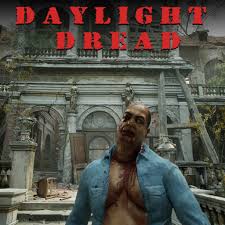
AB: Despite having not played many of your games, you include a wide variety of different settings in your craft. Between Daylight Dread’s shooting zombies in a horror setting, into Dragon’s Dungeon soaring around as a big dragon, into Fluxteria commandeering a spaceship. What is your creative process?
BT: “These games are simple to code. I am a one man army, and I only have one assistant and one freelancer helping very seldomly. Most of the time, I do all of the work. I always try to focus on just doing what I am capable of doing, which is a mistake I made with Solarix. It was a project that was bigger than me. To finish (Solarix), I had to work with five different people. It was difficult, and I did not get to work in the same office like I usually do on that game. After Solarix, I wanted to make smaller scope games. I was trying different genres, and I was motivated into making small games. I wanted to see what reactions I got, especially from the PlayStation crowd. I found out that simple puzzle games sell a lot more compared to serious horror ones.
I have great motivation to be a publisher. There are a lot of (people in Turkey) who make successful mobile games, there are even big teams succeeding making multiplayer PC games. There are not many console publishers here.“
AB: I thought the sound design on Daylight Dread and Fluxteria especially was really atmospheric. How do you go about designing sound?

BT: “I have access to nice catalogues of interesting sound designs from friends. From time to time, I buy these soundtracks even if I don’t need them (immediately). I have a background in movie editing and sound design. It is a relaxing activity to edit. I worked at a radio station when I was younger. To your point, Fluxteria (sound design-wise) is not professional. It is not ideal. It does the job for an Indie game, and was not stressful or difficult to make. I probably edited that with a cup of tea. It reminds me of my kid days.“
AB: On that note, I found in particular that the Mushroom Caves level, among others, from Fluxteria looked beautiful. How do you handle graphic design?
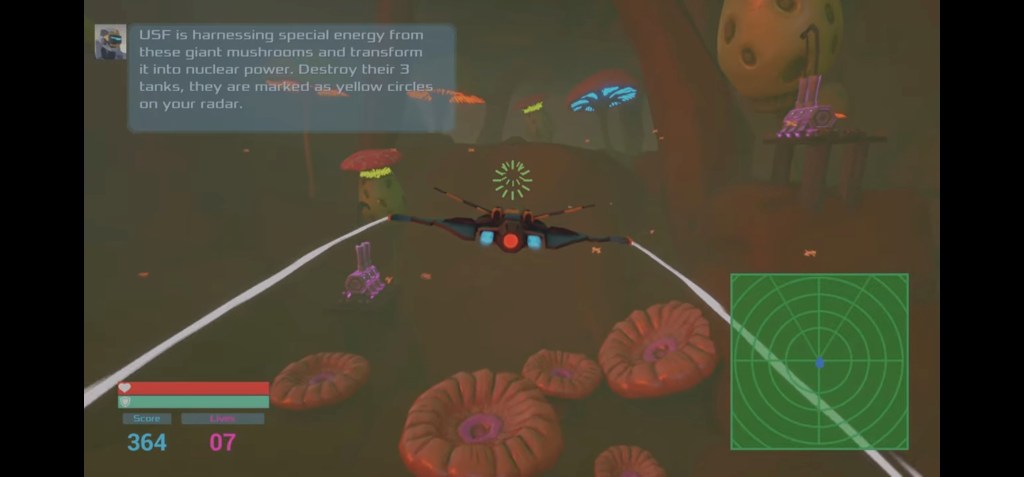
BT: “That was kind of challenging. (Addressing Fluxteria) I had experience with Unreal Engine for more than ten years. I never had a chance to do something professional. It was an urge to satisfy this hunger of mine. It’s a matter of what you have in life and what you want to achieve. This was a dream I had from an unfulfilled desire. In 2018, I remember being very excited – ‘OMG we have UE and I was just accepted to (publish games on) PlayStation!’. I could publish any games. It was not real work, it was a passion. I could do things on my own, didn’t have to answer to anyone. The game can even suck and I don’t have to fire anyone. Maybe this would have been less fun if I was on a 200 person team.
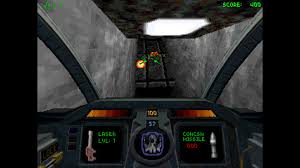
(Fluxteria’s design was) influenced by Descent. I wanted to become accustomed to fast games with guns. I carried so many dreams that I didn’t waste. When I had the chance to transform them, I just did used them. I don’t really think about it very much anymore. I was dreaming about Fluxteria long before it came out. I would not release Fluxteria today! Fluxteria is incomplete, something you need a bigger team for. It turned out nice, but it is not suitable for a solo developer.“
AB: What is your long term plan as a game developer?
BT: “I want to make games. That’s definitely what I want to continue doing. It’s exciting, but I’m trying to catch up with different audiences right now. A couple of months ago, I realized I was making games to some imaginary audience in my head. Ten years ago was different, and there is a difference in how players from the PS4 and PS5 generations acted. They are not different people, but you can feel the difference. Some guy growing up and watching YouTube as a kid would not vibe with my games. I want to connect with different audiences.
The way shooter games like Doom work is different today than for younger generations. People play them for a different reason, and I want to understand. (In particular,) people are crazy about bodycam games. These sell majorly. I used them to pay the bills last year!”

AB: What was your favorite game to develop and why?
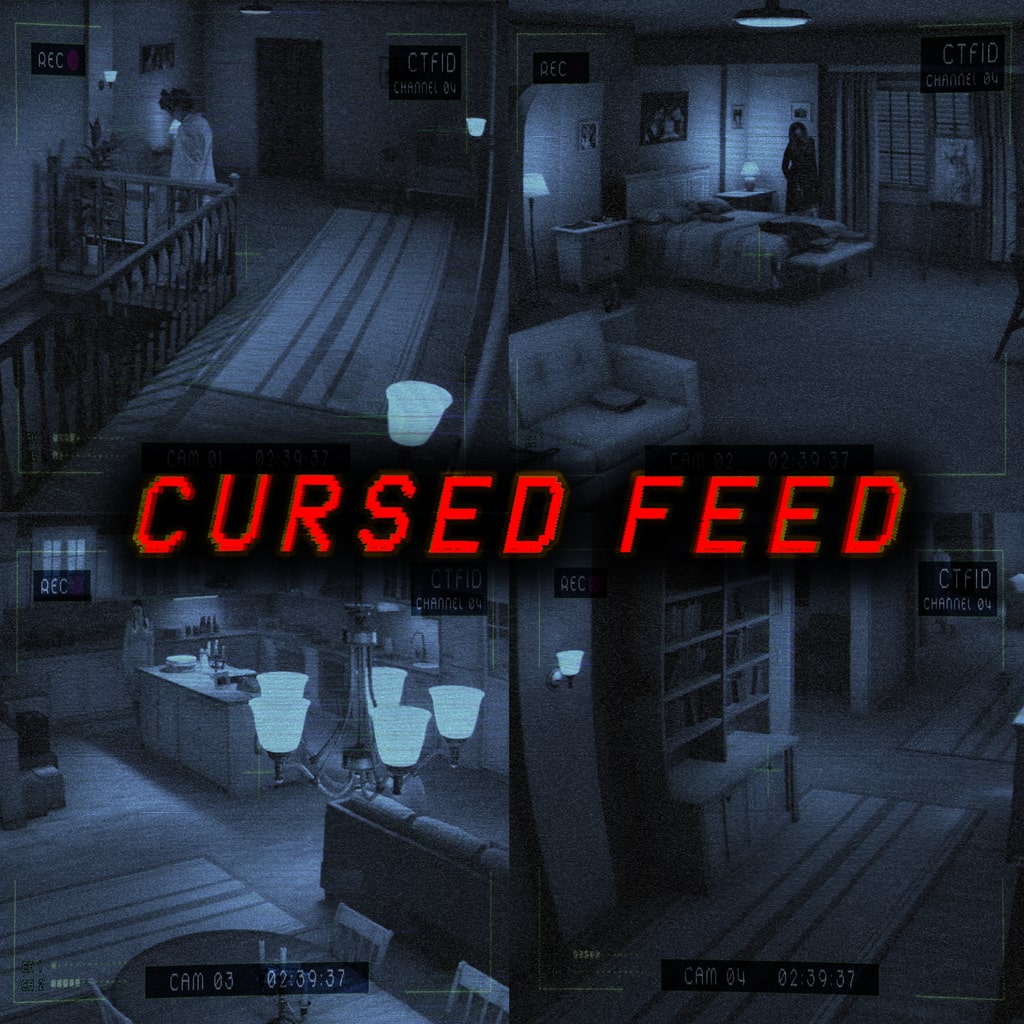
BT: “Good question! Either Solarix or De-Void, maybe The Cursed Feed. I was naive and inexperienced when I made them.
The Cursed Feed released last year. I was controlling the whole thing and put my signature on the whole game. I knew what I was doing with it, put myself in it. It has some modern gaming touches I believe the younger generation would like. I enjoyed making it because it forced me to do something different. You can say this game sucks if you want, but you can’t say it’s incomplete. This game stands on its own.”
AB: Birthday Boy projects as your next major upcoming release. Can you tell us a bit about the game? What is the premise and how long should it take to finish?
BT: “This is a bigger project. It is a complete game and I am proud of it. It has six chapters, and it aims to be an old fashioned psychological horror game. You play as a character dealing with childhood trauma who is going back to the past. The character has an abusive family, especially the mother and father. They were abused on their birthday, and they have to relive these nightmares from the perspective of a little boy. The setting is in the 80s, where you have to face the boy’s demons from his past.
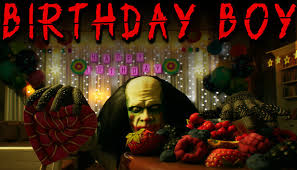
It turned out really nicely. It’s not just a simulator, which is a pitfall of psychological horror games. This game has interesting puzzles, it’s like a Poppy Playtime. The horror doesn’t come from the monsters, it comes from the psyche. This is at least a three hour game, even if you speedrun it.”
This was a project a solo developer can do. I worked with two voice actors, playing as the psychiatrist and the patient. It turned out great. I worked with them over the internet through the process. This felt like making a movie. It starts as a walking simulator, where you first understand the main character’s trauma. After two chapters it starts getting fun, and “they” start chasing you!”
Even after Tarimcioglu and I had our structured discussion end, the Turkish game developer still had lots to say that absolutely should be noted. Tarimcioglu noted that PlayStation and XBox administration that adds his games to the market are “amazing people”, with looser standards for allowing video games to be sold on their platforms. He did note that Steam is quite a bit different, telling me ‘it takes 50,000 wishlists to generate a game’ and not to bother developing games for this platform if you didn’t have a plan to market it thoroughly. Baris believes this is difficult, as Steam easily gives review platforms to “some guy who has an opinion and has to say his opinion. (Steam is popular because) it lets people raise their voices. They want to seem powerful.”
Tarimciagolu noted that it was a lot easier to produce games on Steam in 2018. This was also when Indie games were “hot” for Nintendo specifically, where you could easily sell “5,000 copies if you were good”.
BT: “People’s perception of Indie games changes. People are playing Fortnite and Roblox all the time. My daughter plays Roblox. All of her classmates who are also twelve years old play Roblox.”
Interestingly, on my Dragon’s Dungeon review, I noted that the trophies in game were a bit strange. Baris clarified on this a bit, stating that PlayStation requires “at least ten trophies” as a ‘rule’ to sell games on their platform. This does explain why some of Baris’ admittedly simple offerings do have bizarrely complex trophy lists

In discussing which of his games he truly feels are ‘complete’, Baris noted Lunar Nightmare and The Cursed Feed as his ‘most complete’. While they are ‘kind of buggy’, it is complete and these games have a full journey which “gives you some kind of feeling in the end.”
In closing, Baris had this to say in terms of offering advice to aspiring Indie developers:
BT: “You have to make the game you want. You can’t just please the crowd. You are not in it for the money. This is the wrong business for that. Go make mobile games if you want that. Make games for yourself that you are proud of. You have to know your audience. This is a mistake I have made for a couple of years.”


 InReview
Leave a comment