
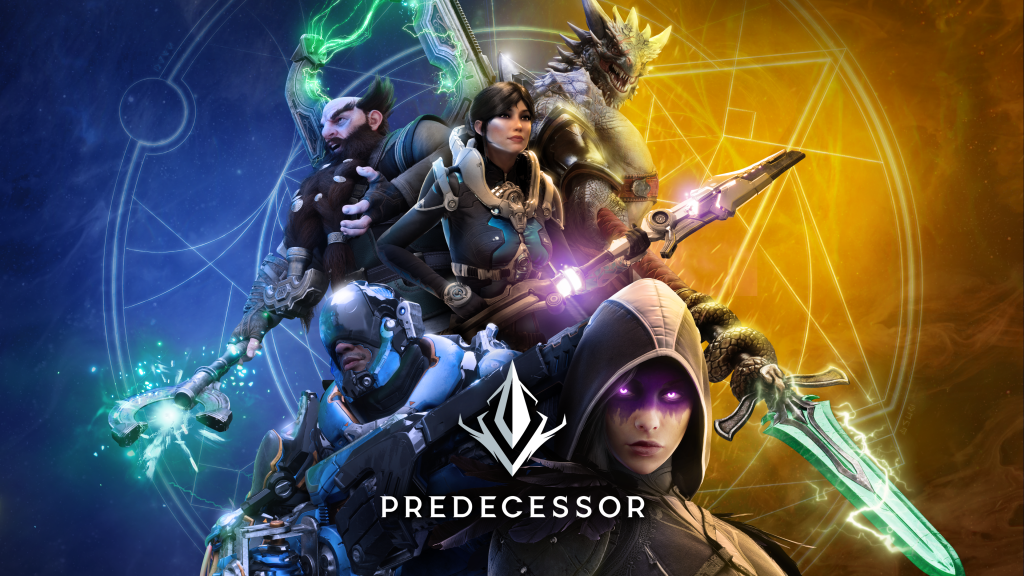
Even non-video gamers have likely heard of League of Legends (for better or worse), and those who do game may have played other MOBAs or, Multiplayer Online Battle Arena games, such as Brawl Stars or Valorant. Most MOBAs, however, have been famously PC exclusive. Today’s piece, however, will touch base with a MOBA which decides to share the love.
Dubbed a spiritual successor to the late Paragon, Predecessor is the focus of today’s article. It is a very straightforward game with complex RPG mechanics requiring steadfast teamwork to succeed. It has a large cast of 43 characters which is still seeing additions today. Developed by Omeda Studios and launched in late August of 2024, we will discuss the pros and cons to the game here.
By “we”, I aim to include a relative expert in the game and a long time friend of mine, Jeremy Stinson. We collaborated to discuss our thoughts about the game, and made the following points, starting with what this game excels at.
Accessibility
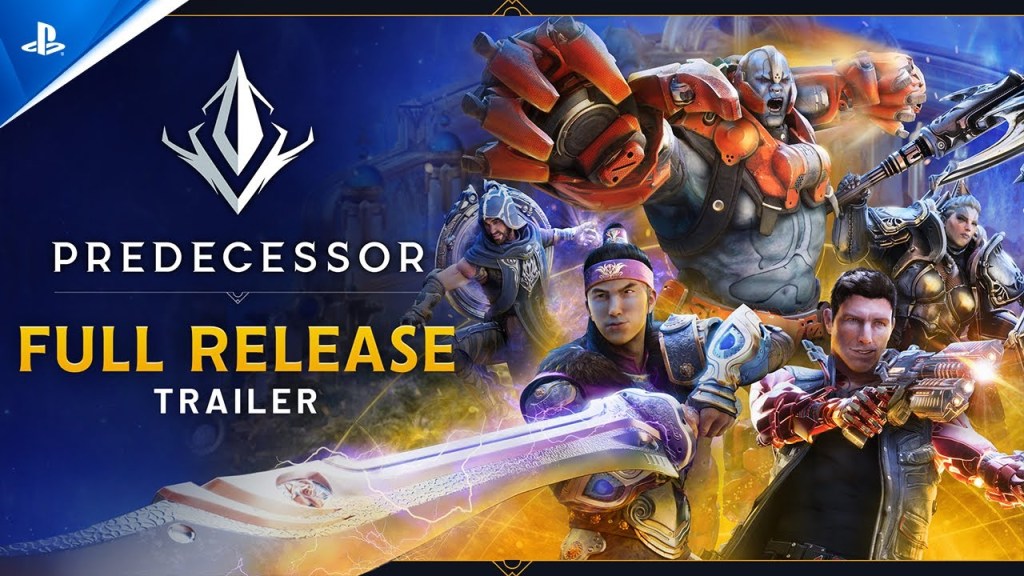
As previously mentioned, the vast majority of MOBA games have been PC exclusive. If you’ve got a three thousand dollar set up, consisting of visuals right from heaven themselves and sound quality bristling down your neck, you probably don’t care. But if you’re like the rest of the world, you can’t play League of Legends. You can’t play Brawl Stars, nor Valorant, nor Heroes of the Storm, or many other MOBAs out there.
As Jeremy so eloquently put it: This is **the** MOBA for console gamers. Coming from the perspective of a console gamer, this was my first impression of a true MOBA game.
Hero Roster
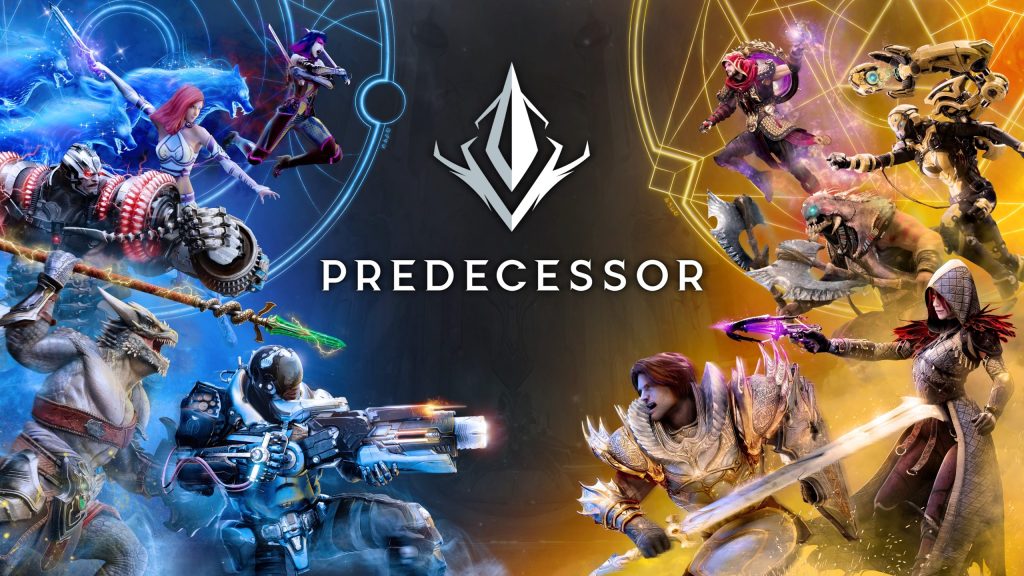
At the time of writing, there are 43 characters in this game. At a cursory glance, one may notice that other MOBAs actually tend to have larger rosters, and may hold this against Predecessor. That said, the average gamer would likely rather have one really well built, well rounded character, than ten which were just lazily slapped together. That’s what this game has going for it. Each character in this game is robust and dynamic, offering something unique to the game even when there’s a necessity to shoehorn them into or away from various roles. Visually, each character is extremely distinct from one another. But they also play meaningfully different too, accommodating for all manner of playstyles uniquely. It seems Omeda Studios may actually know how to really balance a game, because they managed to achieve this without any one Hero feeling particularly weak, or even necessarily all too strong. All in all, a very strong roster is probably this game’s defining strengths.
From a more talented, experienced perspective, Jeremy Stinson noted some particular differences in character design that really help to set them apart in small, yet appreciable ways. Stinson cited particular skills which help characters stand out, such as Rampage’s ability to use a jump skill to escape danger, Narbash’s ability to buff his own speed and those around him, in contrast to a character like Revenant who can only buff his own speed. Mobility is a really big deal in this game, and small passive benefits such as those aforementioned can help to supplement a feeling of individuality between characters.
The main takeaway that both Jeremy and I would like to end off on is that this game does a fantastic job giving heroes with the same “role” vastly different experiences. It shows that Omeda Studios really wanted players to find a comfort zone in each role the game has to offer.
Player Onboarding
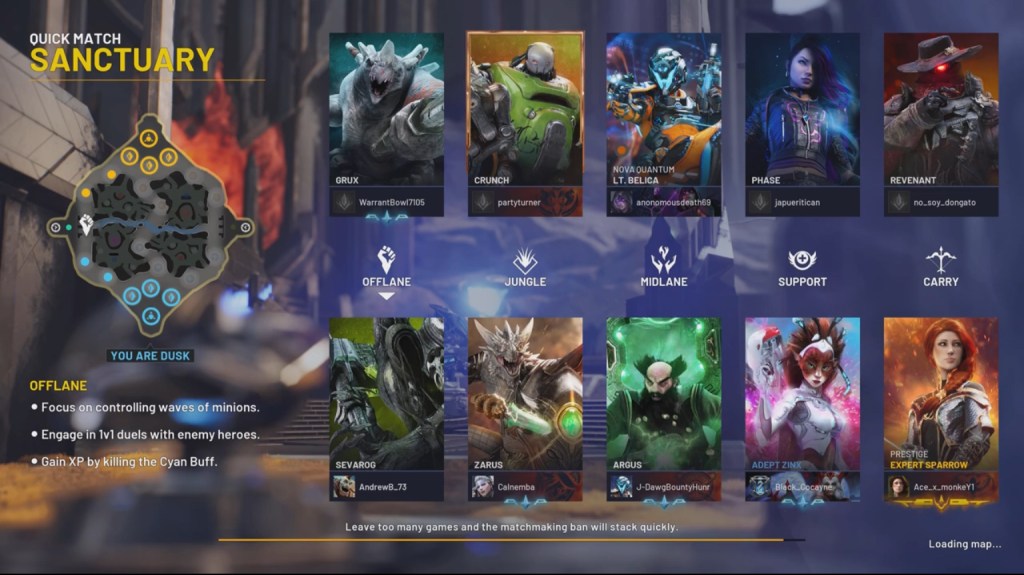
As someone who only stated playing this game fairly recently, thus has fresh experience with the game’s onboarding, it really checks out. What it most notably does, that every video game’s tutorial in all of existence for the rest of time, should do, is it lets the player decide just how much “hand holding” they want. Players can go to the extent of letting the game level them up and buy all of their equipment, to using in game arrows to point where their character should go at the start of a match, all the way to have a constant pop up menu showing a character’s skills readily available with full descriptions. A player can choose to use all, some, or none of that to aid them, regardless of their skill level. Ultimately, this makes the game incredibly appealing to new players as well as forgiving to those who may need to take a break and need a refresher down the road when they come back.
As someone who has played a heck of a lot more MOBAs than myself, Jeremy largely concurred with this sentiment. Jeremy pointed out that most MOBAs generally tend to struggle bringing new players to their games, limiting the barrier of entry. As such, this is a clear and easy positive talking point for Predecessor.
Dynamic, In-Game Progression

Quite a number of games rely on out of game progression models. The Call of Duty franchise has become progressively notorious for employing this. This isn’t necessarily a bad thing, but it has a tendency to create a barrier for entry: those with higher play time will have an advantage over those who don’t, and not for skill related reasons.
Predecessor completely shrugs this concept off and bases itself entirely on in-game progression. From the moment a match starts, everyone is level 1 and just as strong as one another. Killing minion NPCs, other players, or landing assists is how the game intends the player to eventually get stronger as a game goes on. When the match ends and the next one begins, it’s right back to square one.
This concept definitely favors smart, skilled play as opposed to merely favoring someone because of an arbitrary playtime number. Whether this is entirely good or bad is rather subjective, but it does make Predecessor stand out to those who appreciate that type of play all the more.
It delivered on its promise…

Taking a step back and evaluating the pre-release hype, it was clear early on that Omeda Studios did not intend to develop a “Paragon 2”. Predecessor was intended to be a spiritual successor to the now defunct MOBA. Did it hit its mark?
A player far more experienced with this franchise than me, Jeremy Stinson, believes so. Stinson has found it fun finding new ways to enjoy old characters from this game that were featured in Paragon. The game has more of a “Paragon is back” feel than a “Paragon 2”, thereby solidifying that Omeda Studios accomplished what they set out to achieve.
Sadly, like with most games, Predecessor is not entirely without its blemishes. Jeremy and I discuss them below.
Toxicity

Although Omeda Studios has seemingly spared quite a bit of effort to combat this, Jeremy Stinson and I agree that this game is ripe for the pickings of all manner of bad gamers, largely due to how the game is structured. This game does not allow two of the same character on one team. The game will randomly assign an order at which players can choose their characters. If a player in dismay over not receiving their choice decides to be immature about it, they could decide to intentionally play so poorly that their team has essentially zero chance of winning the match. This is similar for roles; only one player per role, so a player who really wants to play a particular character may play them in a role they’re poorly suited for just so they can play that character.
Jeremy had a few interesting ideas for how Omeda Studios could better deter this behavior. Jeremy proposed that perhaps Omeda Studios could allow players to “rate” each other, with the game giving rewards to players who receive consistently good ratings. This would likely be a better method than intensifying the punishment against players who behave poorly.
Microtransactions

While not a full fledged problem, Jeremy Stinson expressed concern over the direction the game is headed in as far as microtransactions go. Paragon and this game in its earliest stage appeared much more friendly towards acquiring things through strictly in game currency. At present, the game has teetered itself slightly more towards a loot box system, which absolutely nobody other than game developers and share holders enjoy.
Stinson concluded that, moving forward, players should be allowed to simply, directly buy what they want to buy, rather than put it behind random luck in a lootbox.
Conclusion
Predecessor does many, many things well, and was clearly made by game developers with an eye for more than just the bottom line. Anyone who enjoys fast paced combat with intricate mechanics will enjoy this game a lot, especially because it’s currently free! I’m going to give this game a strong A for a grade. However, it should be noted that this game’s ceiling is definitely in S tier status, so it’s on a good trajectory right now.
You can find today’s guest contributor, Jeremy Stinson, on PlayStation via J-DawgBountyHunr. It should be noted that Stinson intends to become Predecessor’s best Riktor player by 2027: “Mark my words, I will pull Wukongs, Skylars and Howitzers out of the air and out-predict people when they try to ‘blink’ away from me. Nobody will escape me and my whiplash!”

 InReview
Leave a comment