

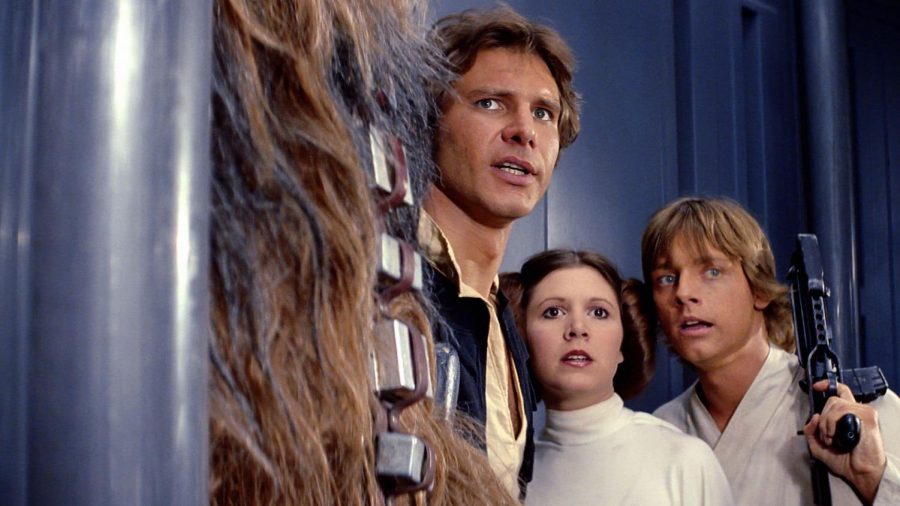
Earlier today, I posted a column in which I revisited “Star Wars: Episode IV — A New Hope.” That piece focused on if it was still enjoyable and if it still held up in the HD era.
This piece delves further into what I noticed when viewing what is now a retro film through the lens of 2024.
“Star Wars” is somewhat unique in the fact that it’s grown into much more than just a popular film series. It has spawned countless bestselling books, video games and comics that have been influential in their own right. In fact, two of its most popular characters — Darth Revan and Grand Admiral Thrawn — originate from a video game and novel respectively.



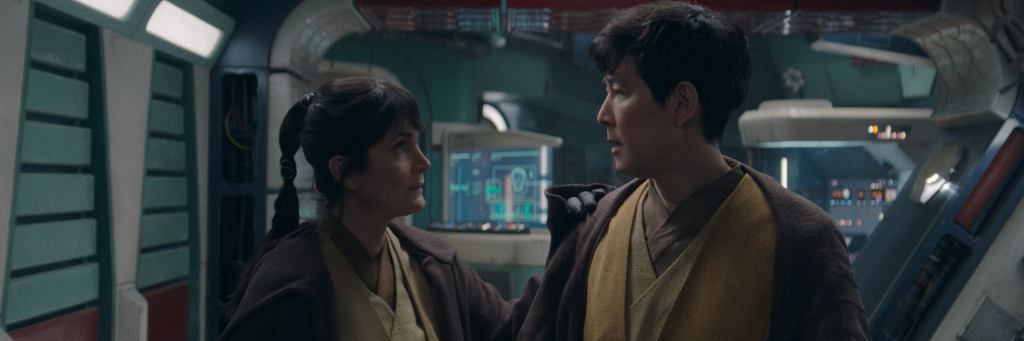
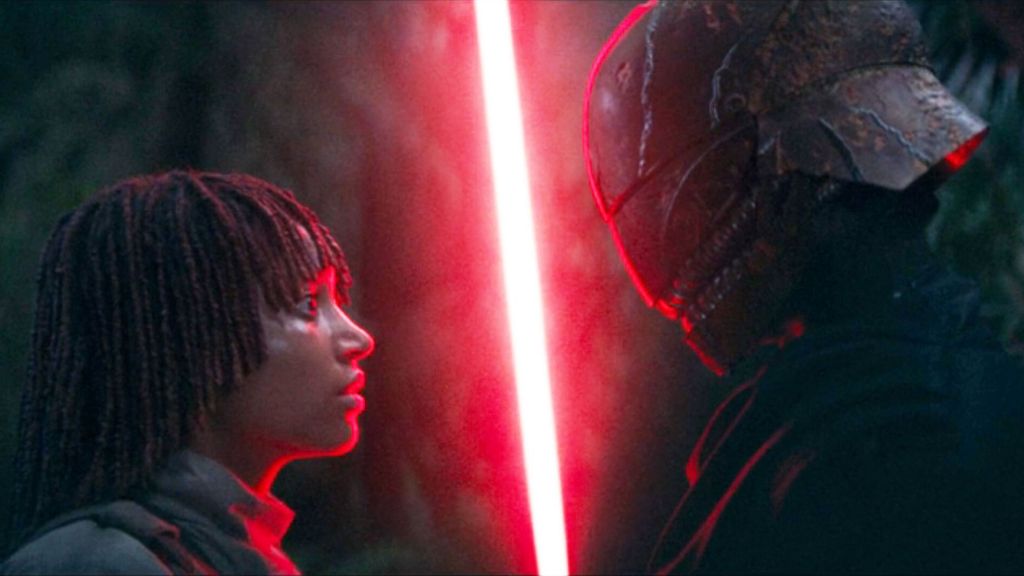
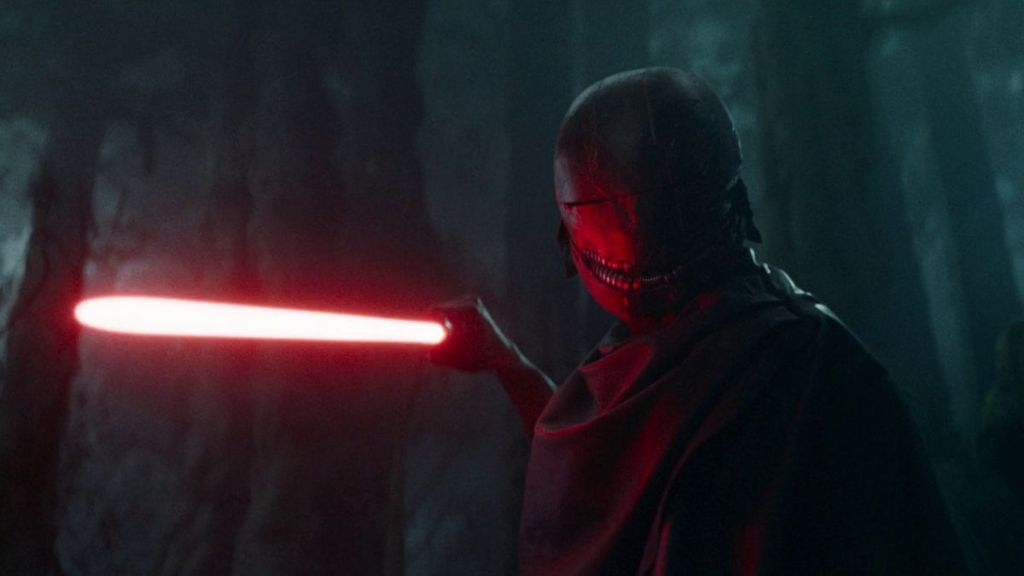
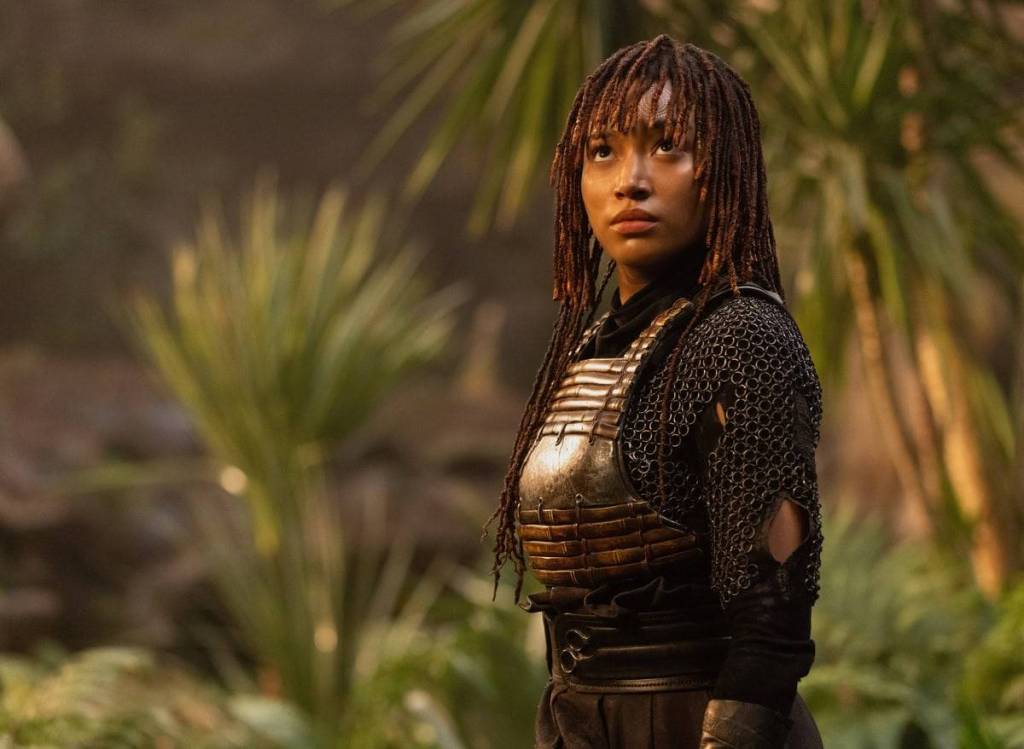
Outside of that, the franchise has spawned canon movies and TV shows that have built off of what was established in this first film, providing additional context not available when it first premiered in 1977.
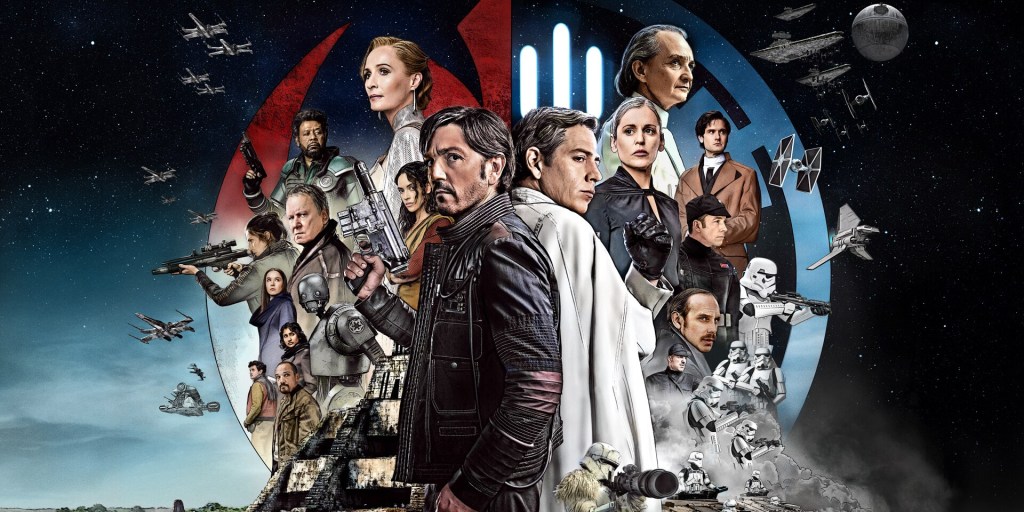
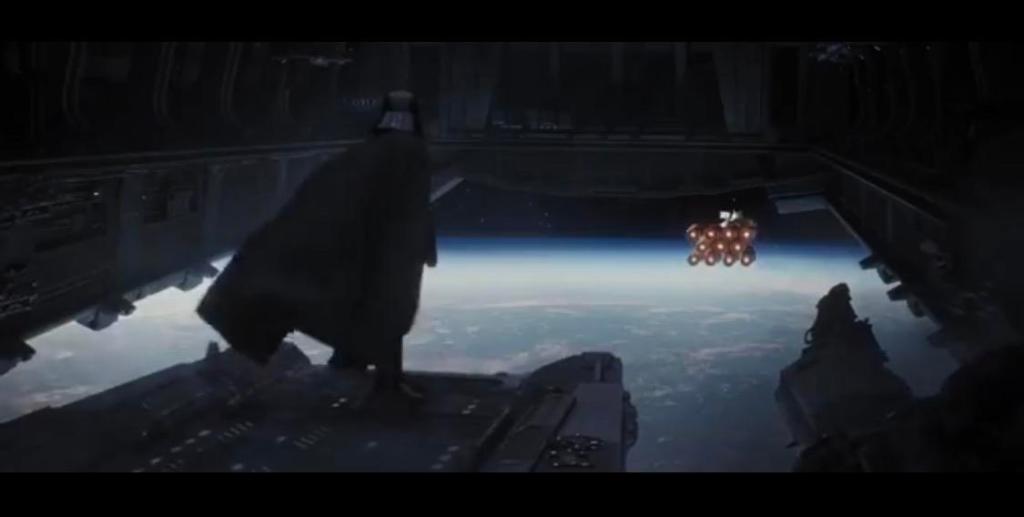
There have been many claims that later works have changed the meaning of “A New Hope,” with the most prominent being “Rogue One: A Star Wars Story,” which tells the tale of how the Rebel Alliance acquired the plans for the Death Star. It runs right up until the opening scene of “A New Hope,” in which we see Imperial enforcer Darth Vader track the plans to the Tantive IV, in which a CGI stand-in for rebel leader and Imperial Sen. Leia Organa clearly receives them.
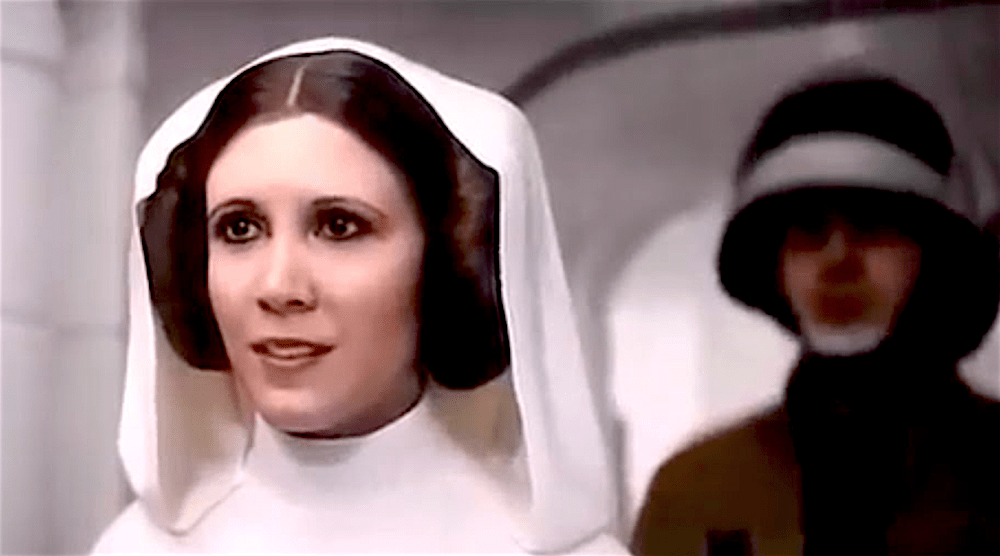
A while later, in “A New Hope,” Vader overtakes the Tantive and interrogates Leia, who says she is on a diplomatic mission to Alderaan. Leia was of course lying in this scene, and that has always been the case, but some fans originally surmised that Leia was honestly trying to fool Vader, whereas with the addition of “Rogue One,” it comes off as a smug lie to Vader’s face.
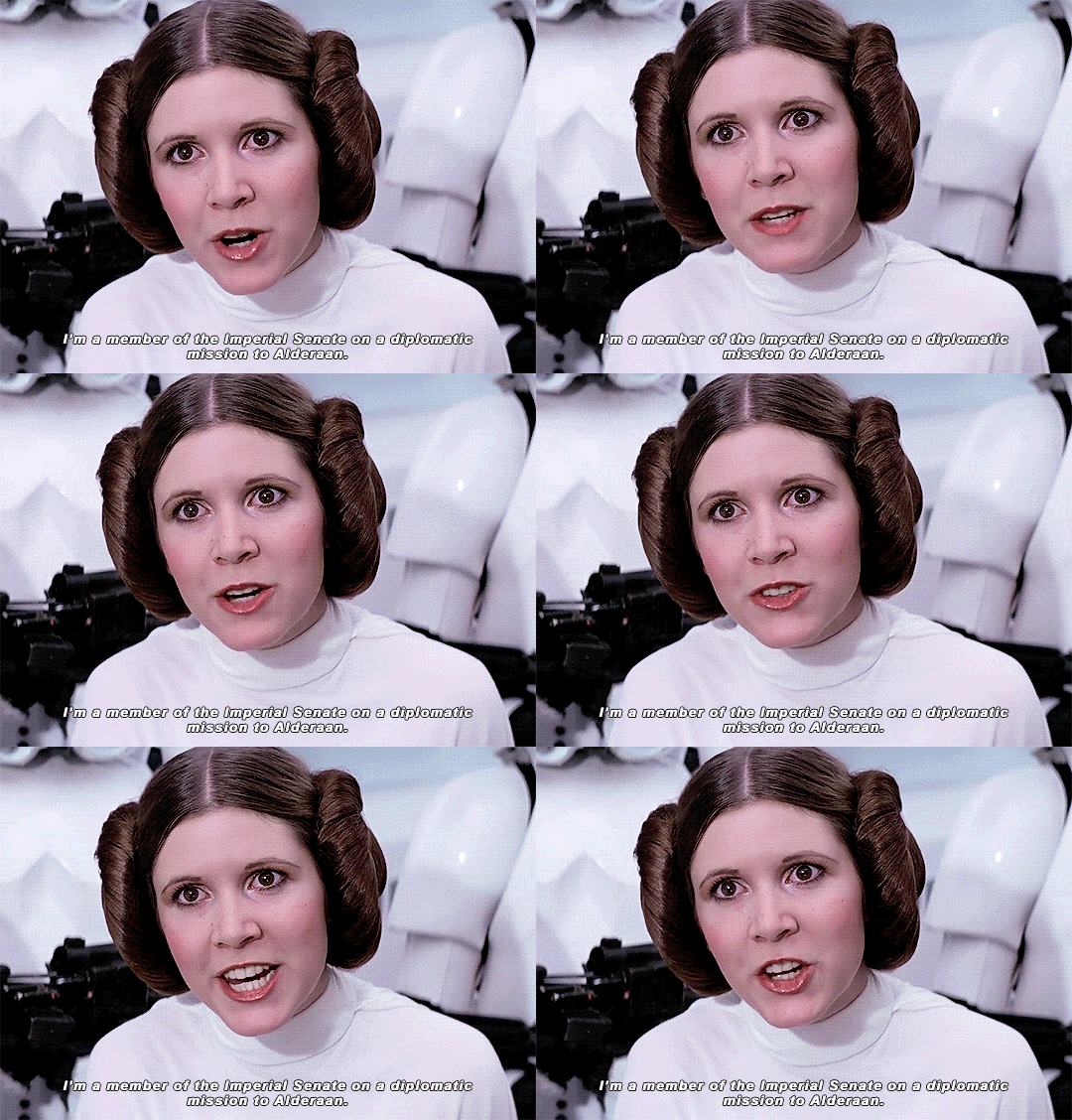
One small detail supports this “original” textual reading of the film: In “A New Hope,” Vader backs his claims that Leia is working with the rebels with captured rebel transmissions that were being sent to the Tantive. If that’s all he had on her, of course Leia has a shot of talking her way out of this.
But in “Rogue One,” he doesn’t need to rely on that at all, because he watches it fly away with the plans with his own eyes.
More so though, were areas where later works filled in holes left by that original film. A great example of this is Bail Organa, Leia adopted father who dies off-screen when the Death Star destroys Alderaan. He’s a major figure of the Rebel Alliance, and his involvement in its founding gives Grand Moff Tarkin, the Death Star’s commander, much more reason to suspect it of harboring rebels.
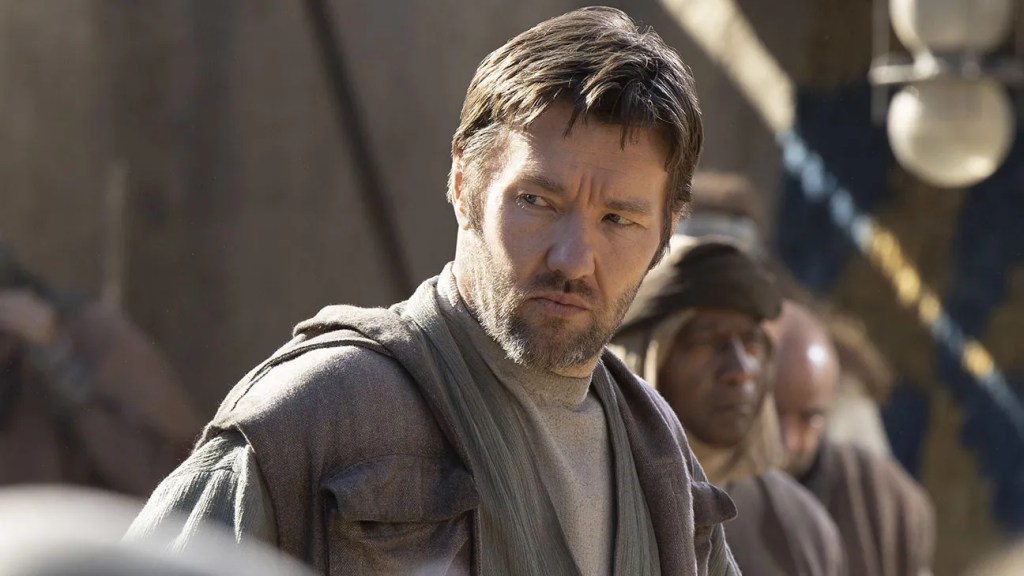
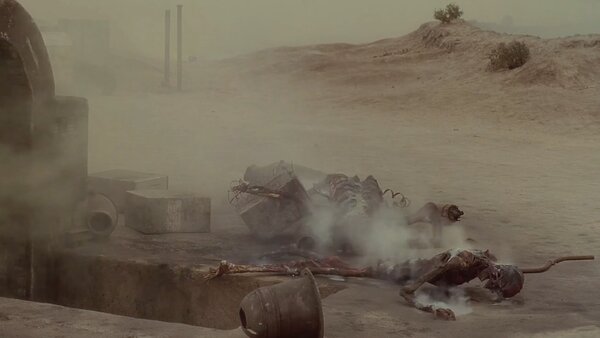
Another is the backstory of Aunt Beru and Uncle Owen, who raised our hero, Luke Skywalker. In “Obi-Wan Kenobi,” we know that they’re willing to fight tooth and nail to protect Luke. While we only see their charred skeletons when Luke returns to the farm after meeting that very same Obi-Wan, that show provides a little more context as to what could have happened to them, especially given that there seemed to be a violent struggle.
Of course, much of the effects don’t look as great in HD. And some plot points don’t hold up as well as they did back in the day — I think we just demand more out of our blockbusters these days. “Star Wars” is generally considered one of the first blockbusters.
Nevertheless, it’s interesting to contrast how this film was originally viewed with its modern context. Some fans like the changes and additions series creator George Lucas and franchise owner Disney have made — some don’t, and only consider parts of the films as legitimate in their head canons (unofficial, personal canon).
You can, of course, just watch “A New Hope” on its own and decide not to see any of the other films or TV shows, just like moviegoers in 1977 did. But if you like it, you have a seemingness endless well of content to wade through.
 InReview
Leave a comment