
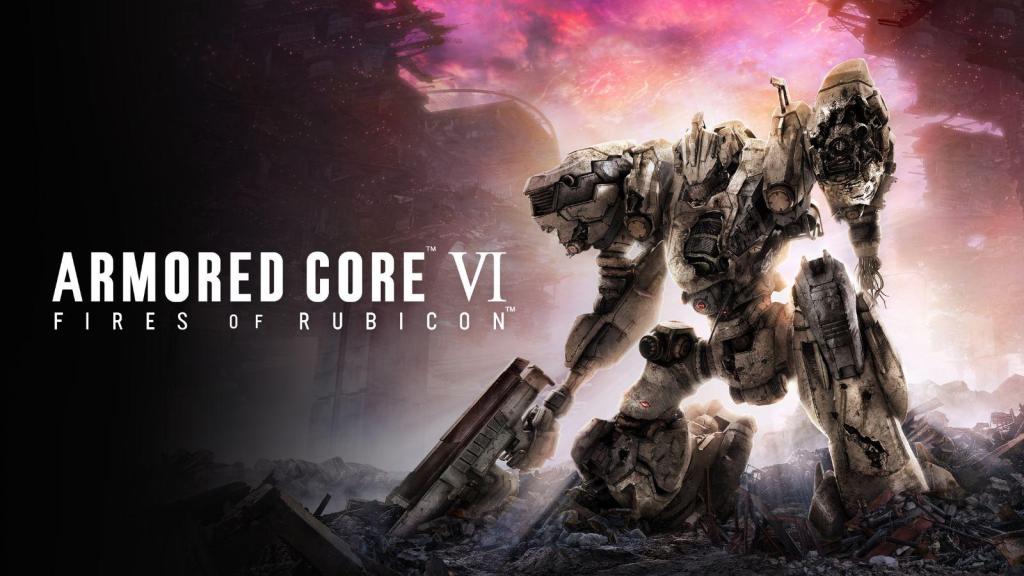
Over recent years, From Software has become progressively well known for each new entry into the “Soulsborne” genre. The Dark Souls trilogy, the original and eventual remake of Demon’s Souls, Bloodborne and, of course, Elden Ring.
This is why the average gamer may be surprised to learn that the company has roots which far predate all of those video games. One such entry is the Armored Core franchise, a series of video games dating all the way back to 1997. This franchise had gone over a decade – since 2012 – since it’s last title.
On Thursday, August 25th, that finally changed. The release of “Fires of Rubicon”, the sixth entry into the series, brought the mech back to the big screen. With From Software’s developing reputation and the massive commercial success of Elden Ring, how did Armored Core 6 fare with all the expectations?
It has gone swimmingly well. Per the usual, let’s analyze the good and the bad of the game, starting with the former.
Combat

If you liked Bloodborne or Sekiro: Shadows Die Twice, you will love this game. Combat is a constant adrenaline rush, with enemies flying and appearing in droves, testing both the player’s reaction speed and the general potency of their ‘build’. Ranged combat is mostly the name of the game here, but Pulse Blades and Pulse Shields can offer support for close quarters combat if the player prefers that.
Boss fights ramp the intensity up a lot. They’re also, despite mostly being ‘giant armored thing #900’, fairly unique encounters. We start with the intimidating tutorial boss, featuring a beefy looking aircraft that peppers the ground with gunfire. Then, we proceed towards the STRIDER, a humongous quadripedal death contraption. We end the first chapter with the first chapter’s toughest boss, and one becoming quite notorious amongst the company already, Balteus- a speedy craft capable of firing dozens upon dozens of heat seeking missiles, conjuring flaming swords to strike the player with, and a nice dosage of mini gun bullets to give them something else to think about.
In all, combat is easily an S tier in this game. And it only gets better when you venture into the realm of PvP.
Mech Building
The thing that helps Armored Core 6 standout from From Software’s other entries is just how much emphasis and creativity go into having a ‘build’ in this game. The Souls series already offers plenty of options; you could be a giant hulking barbarian with a greatsword, a mage with ten different types of magic, or perhaps something in between.
Armored Core 6 takes the concept of having a ‘build’ and stretches it in nearly endless ways. You can have a big fat tank, a speedy drone that zips around enemies, and something in between. But, the ways which you create those archetypes can vary forever. The tank can choose to use full auto heavy MGs, rockets, or even less conventional weapons for a heavy build like melee weapons, dual pistols, SMGs or rifles. The same can be said about the speedier build. It doesn’t have to “make sense” to anyone but the person making the build. Beyond that, you can outfit yourself with boosters or other auxiliary tools that make no one ‘build’ ever the same.
More than just endless creativity, however, is just how much weight goes in and out of each mission and how it interacts with a build. When taking a mission, the player will be told up front what the base pay for the mission is. But, the base pay does not account for ammunition used or damage taken during the mission, which will dig into that profit line a bit. This presents an interesting dilemma: do I make a build that focuses on taking no damage and dodging all the time, or heavily mitigating the damage I do take? Should I go guns blazing all the time with all the best premium weapons, or should I go with a more conservative pick to save money?
You can truly do just about whatever you want in very meaningful ways, giving this game replayability.
Aesthetics

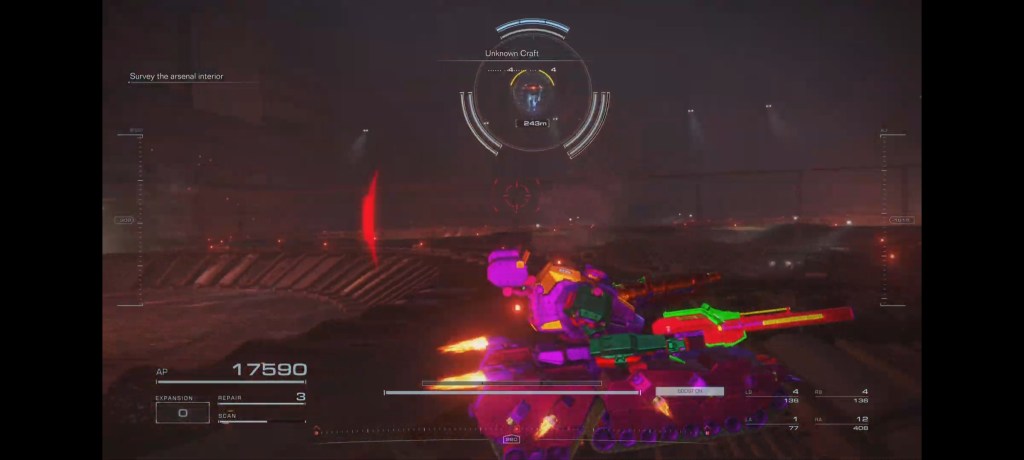
This mostly pertains to building an AC, but the aesthetics of areas where missions play out is generally quite impressive as well. Like with deciding weapons and heavy + speedy armor, the player has complete free reign over the design of their craft, which some may argue is more important. You can go as dark and morose or as vibrant and flamboyant as you want, with no limitations whatsoever. This has become more and more of a standard practice for character creation in recent years, but there’s just something about how you can make a purple and green Gatling Gun with a pink barrel that no other game quite emulates to the same extent.
Difficulty
One thing From Software has become known for over the years is making games which are generally more challenging than their competition. The Soulsborne series essentially speaks for itself in that regard.
Armored Core 6 is a different brand of difficult. Overall, the game is probably slightly easier than Soulsborne as a whole, but that could change depending on who you talk to. Actual tangible combat is definitely easier in a vacuum, but the main source of difficulty stems from within the “AC Design” menu. If your craft has the right tools for a particular mission or boss, you will probably cruise without issue. If your craft happens to have none of the ideal tools for the job, you will struggle quite a fair bit. For example, tanky builds tend to struggle with the Balteus boss fight because it features droves upon droves of missiles with extremely aggressive tracking- these can generally only be dodged by speedier, lighter and smaller crafts. However, being small and nimble at the expense of firepower and survivability isn’t always ideal- primarily in situations like the Unknown Craft boss fight, where you quickly find yourself pinned and unable to move much due to heavy enemy gunfire, and will need to dig in and fire back.
Overall, difficulty unsurprisingly hits it right in the wheelhouse, as per usual with From Software games. You don’t win or lose because of arbitrary luck, you win or lose off of skill, merit and proper tactics.
Armored Core 6 isn’t necessarily perfect per se, but it is lacking in any shortcomings worth addressing in this review. As a result, I’m going to give it an A for a grade. Don’t be surprised if you see this game getting tossed around when inevitable discourse around Game of the Year starts heating up.

 InReview
Leave a comment