
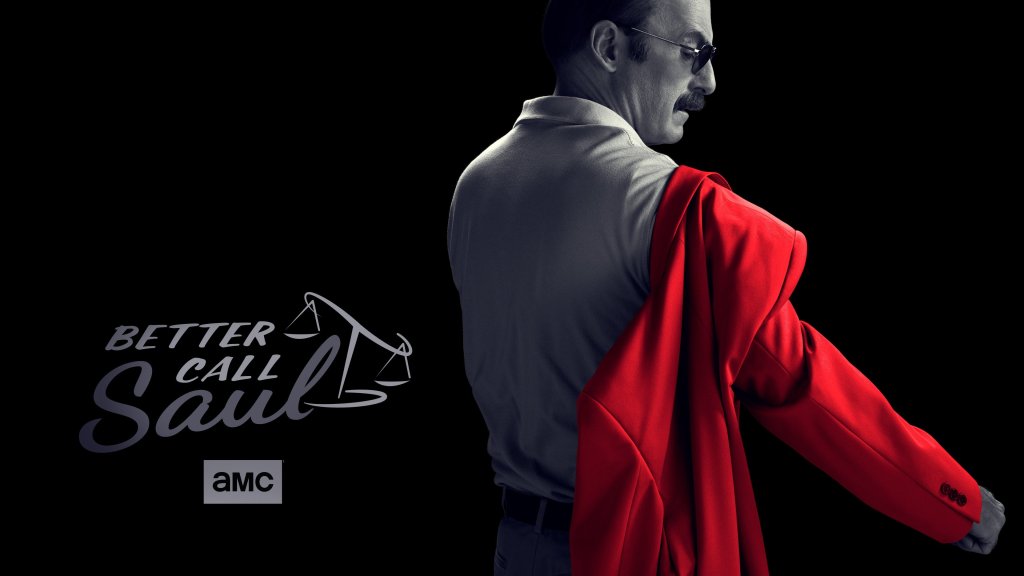
All good things must come to an end and unfortunately Vince Gilligan’s “Better Call Saul” is no exception.
It’s taken me a while to watch the show’s sixth and final season — not because I didn’t want to, it just took forever for it to land on Netflix. Even then, I had trouble bringing myself to finish its final episodes — I just didn’t want it to end.
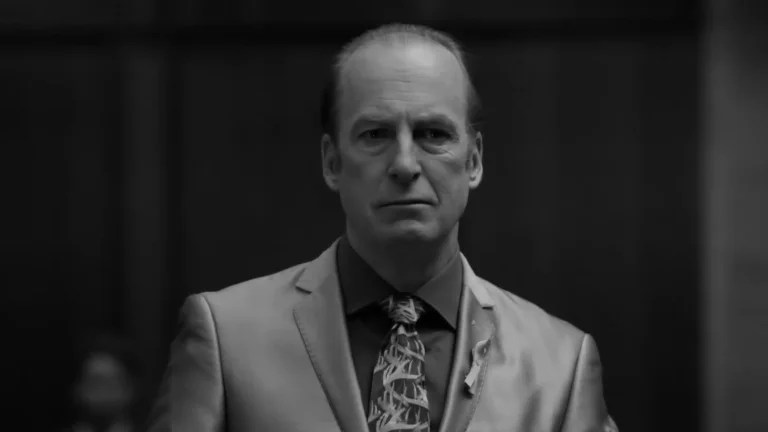
Season 6 sees attorney Jimmy McGill (Bob Odenkirk), who now goes by Saul Goodman, fully become the money-hungry and unforgivable criminal lawyer we meet in “Breaking Bad.” We also see more of Gene Takavic — the identity he takes on after the events of “Breaking Bad” — that ultimately serve as an end to his character journey.
The Gene scenes are interesting enough in the previous seasons, though they mostly serve as a way to ease “Breaking Bad” fans into this very unorthodox prequel. Gilligan did everything you’re not supposed to do in a prequel show in Season 1 — he throws us into an unfamiliar world that still has a ways to go before it becomes what we see in “Breaking Bad,” with very little connecting tissue. Its main character (Jimmy/Saul) doesn’t even go by the name we know him as in “Breaking Bad,” and almost none of the cast in “Better Call Saul” appear in “Breaking Bad.” He throws everything the show could lean on from “Breaking Bad” out the window and very boldly builds a story and world uniquely its own from the ground up.

During Gene’s scenes, we see him slowly relapse into his grifting ways by enlisting Jeff (Pat Healy), a taxi driver who recognizes him as Saul, into his scams, which gradually escalate. Despite having a clean start via a new identity and life, Jimmy just can’t help himself — it doesn’t matter where he will be, he will not stop his self-destructive behavior.
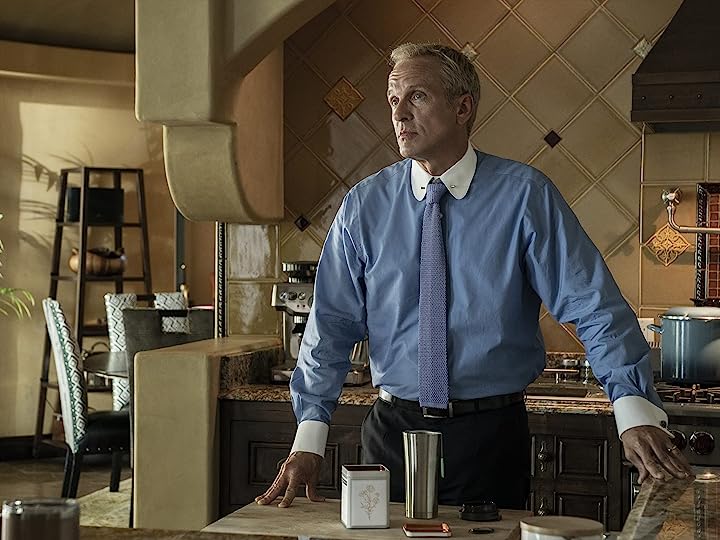
In the past, Jimmy and Kim Wexler (Rhea Seahorn) try to sabotage attorney Howard Hamlin (Patrick Fabian) into embarrassing himself so much that he and fellow attorney Clifford Main (Ed Begley Jr.) have to settle the multimillion-dollar Sandpiper Crossing lawsuit Jimmy built. They justify it under the guise of giving the residents of the retirement home money some might not live to see, but it’s really in service of giving themselves a quicker payday.
Meanwhile, Lalo Salamanca (Tony Dalton) makes his way back to the United States after Nacho Varga’s (Michael Mando) failed assassination attempt. Nacho is likewise on the run from the cartel. They serve as two volatile elements that destroy the equilibrium of the show — and Jimmy and Kim’s world — forever.
Everyone gives top-notch performances, with its supporting cast really shining. We get perhaps the most detailed insights into cartel kingpin and fried chicken restaurant chain owner Gus Fring (Giancarlo Esposito) and his fixer, Mike Ehrmantraut (Jonathan Banks) than any of the other seasons, including “Breaking Bad.”
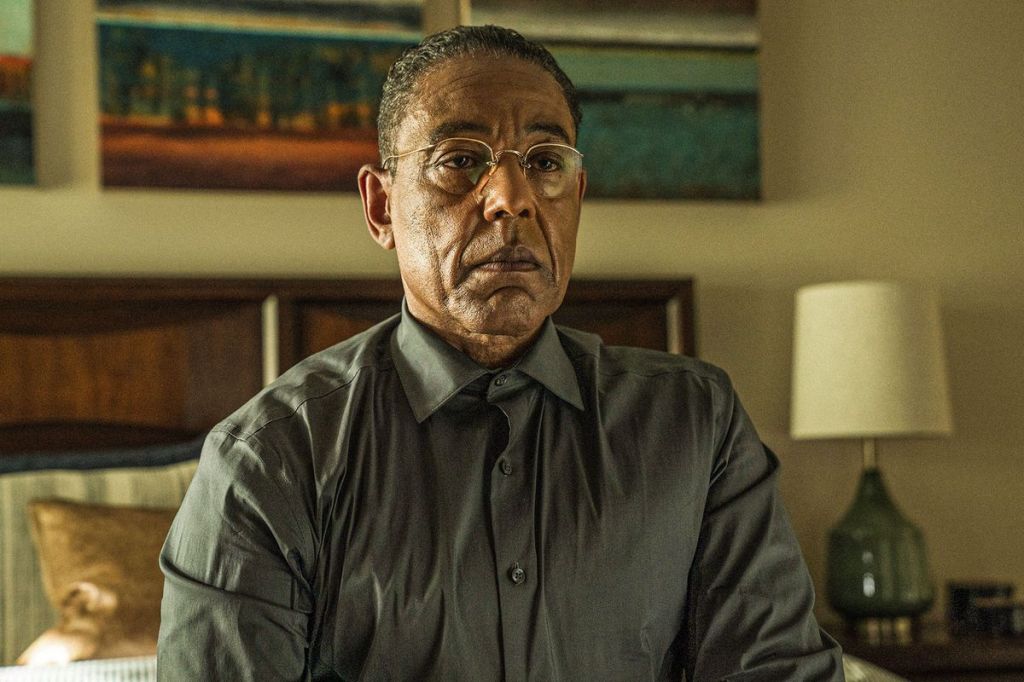
Gus seems to not have a soul or any sense of honor, but is willing to do whatever it takes to get revenge on the don of the cartel for killing someone close to him years ago. It also seems like he’ll never be satisfied no matter how much money he makes or how much power he gains in the organization. Mike, on the other hand, is stuck in his service and deeply regrets the life choices that forced him down the path he’s on. His family is the one thing he lives for and it’s enough for him to keep pushing on.
Howard has a masterful character journey — his mask comes fully off this season. Howard was always seen as cold to Jimmy and condescending, but he always legitimately cared. He was always the scapegoat for Jimmy’s brother, Charles McGill, who barred him from becoming a partner at his firm partially because of his own jealousy towards Jimmy, but also because he couldn’t help but push a self-fulfilling prophecy that there was no way for Jimmy to change his ways (I think it’s arguable that with Chuck’s support, he could have). Howard even took the blame for Chuck rejecting Jimmy as a partner and later realizes how he had a hand in making Jimmy’s life hell. However, by the time Howard comes around, it’s too little, too late and Jimmy lashes out at him.
Mando also gives an excellent performance as Nacho. Despite only being in the first three episodes (spoilers), he delivers a compelling and emotional finale to a character that deserves so much more than the circumstances he was given. Nacho is forced to help kill Lalo despite just getting close enough to Don Eladio Vuente (Steven Bauer), the top cartel boss, and his only reward is death. Nacho’s last defiant moments are delivered masterfully and reverberate throughout the rest of the season.
Then there’s Jimmy and Kim, whose paths inevitably have to split in order for the events of “Breaking Bad” to take place. Kim has served as Jimmy’s conscience throughout the show, though she has freely participated in his scams and bailed him out numerous times. Still, there’s always a line she won’t cross and she always wants to do good — there is no way she would be on board helping Walter White make and sell meth in “Breaking Bad.”
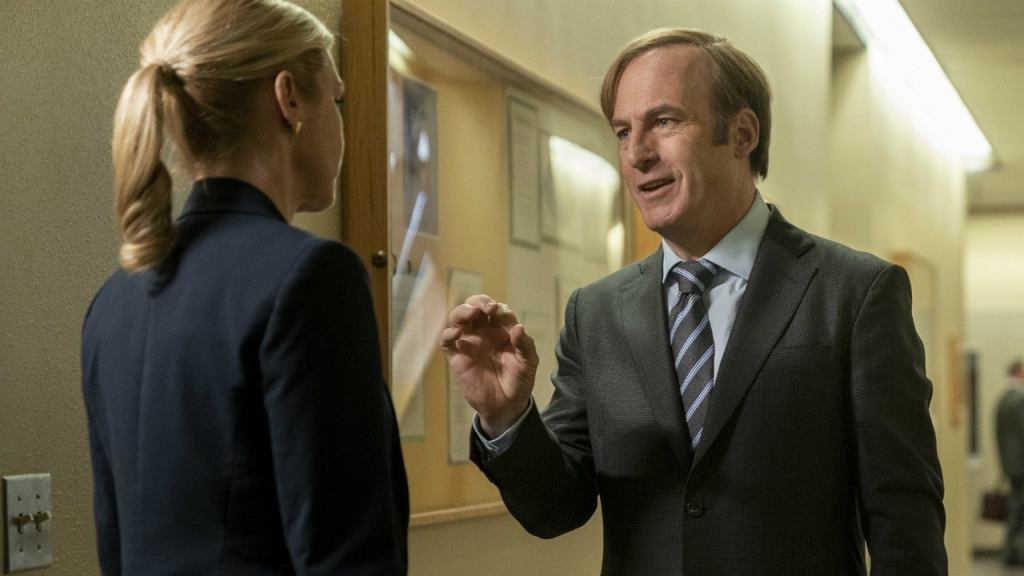
(Spoilers) That sense of morality is the reason she and Jimmy part ways. She realizes that despite their best efforts, they’re destructive together and that they both need to find people that don’t feed into their worst instincts. She bravely chooses to start over and move away from New Mexico — to stop hurting people — while Jimmy gets exponentially worse without her. Instead of stopping his grift, he doubles down to the point where he really doesn’t need much convincing to help White when he learns how much money he can make from selling meth.
After he splits with Kim, money is all that Jimmy cares about. We see at the beginning of this season that he amasses a mansion as Saul while maintaining his dingy strip mall location where he represents some of the worst criminals in the city. In a way, he is trapped by his own circumstances — whenever he tries to change his ways, it doesn’t work — but it’s also arguable that he never has the desire to put in the proper effort to change, as being a con man comes natural to him.
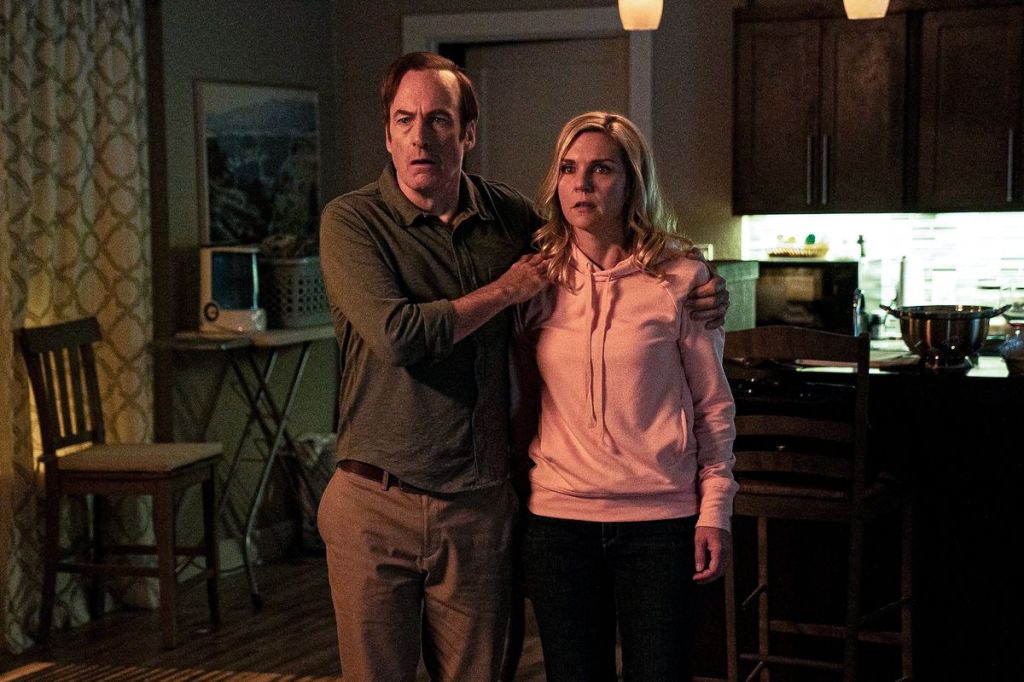
He’s a complex character that isn’t necessarily good or evil, but he is a bad person that takes advantage of others, who is incapable of building anything positive. He’s not a character that should be revered or whose example anyone should follow, but the show does a great job of having us understand him and therefore empathize with him.
“Better Call Saul” is a legendary piece of television that stands above “Breaking Bad” in almost every single way. It manages to land a powerful thesis relevant to both shows about the choices we make and how they directly lead to the types of lives we lead.
Much of those shows highlight monotonous, everyday life and how its characters react to common challenges; they have exciting things in it, but it smartly puts the spotlight on the small decisions that lead to those crazy outcomes. Every character in these shows are affected by their circumstances, but they are also their own worst enemies via their choices.
“Better Call Saul” is one of the best television shows ever made. It’s a prequel that outlived and eventually supplanted the show it originated from. I’m very interested to see what Gilligan cooks up next.
“Better Call Saul” Season 6 gets a 10/10



 InReview
Leave a comment